GARAGE.EXE
 EXPERIMENTWO_GARAGE.EXE — DEVKIT VIEWER
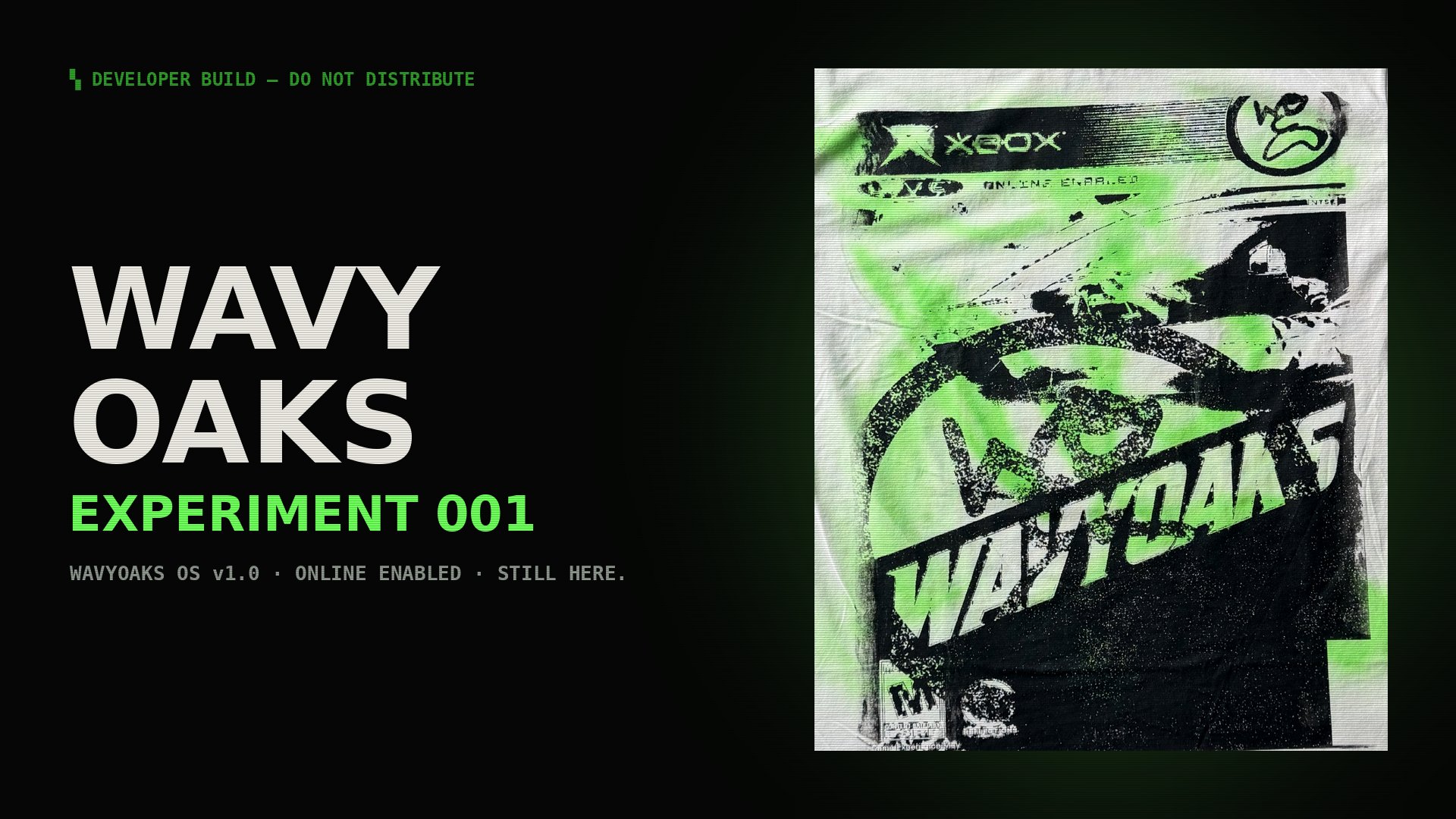
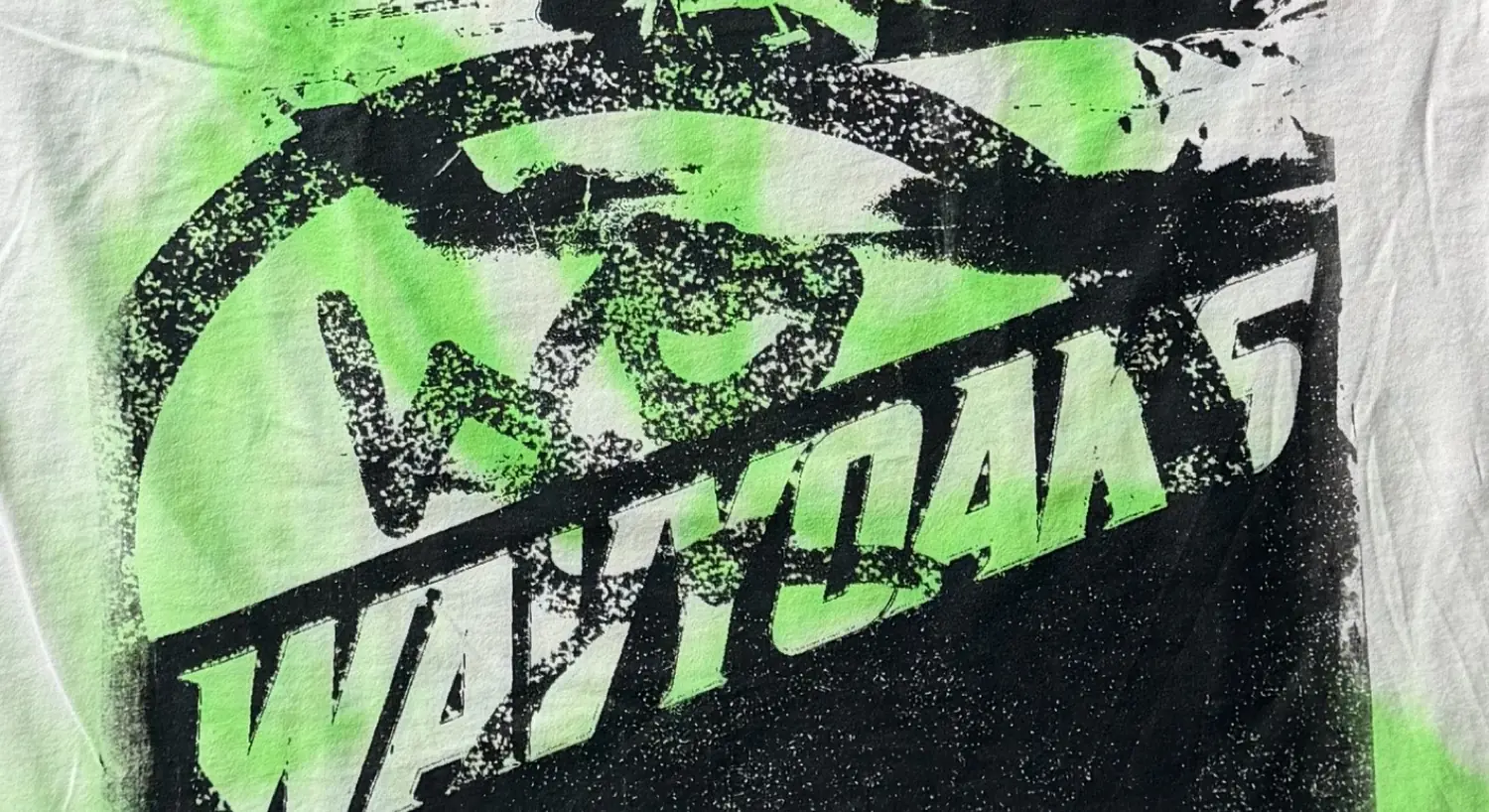
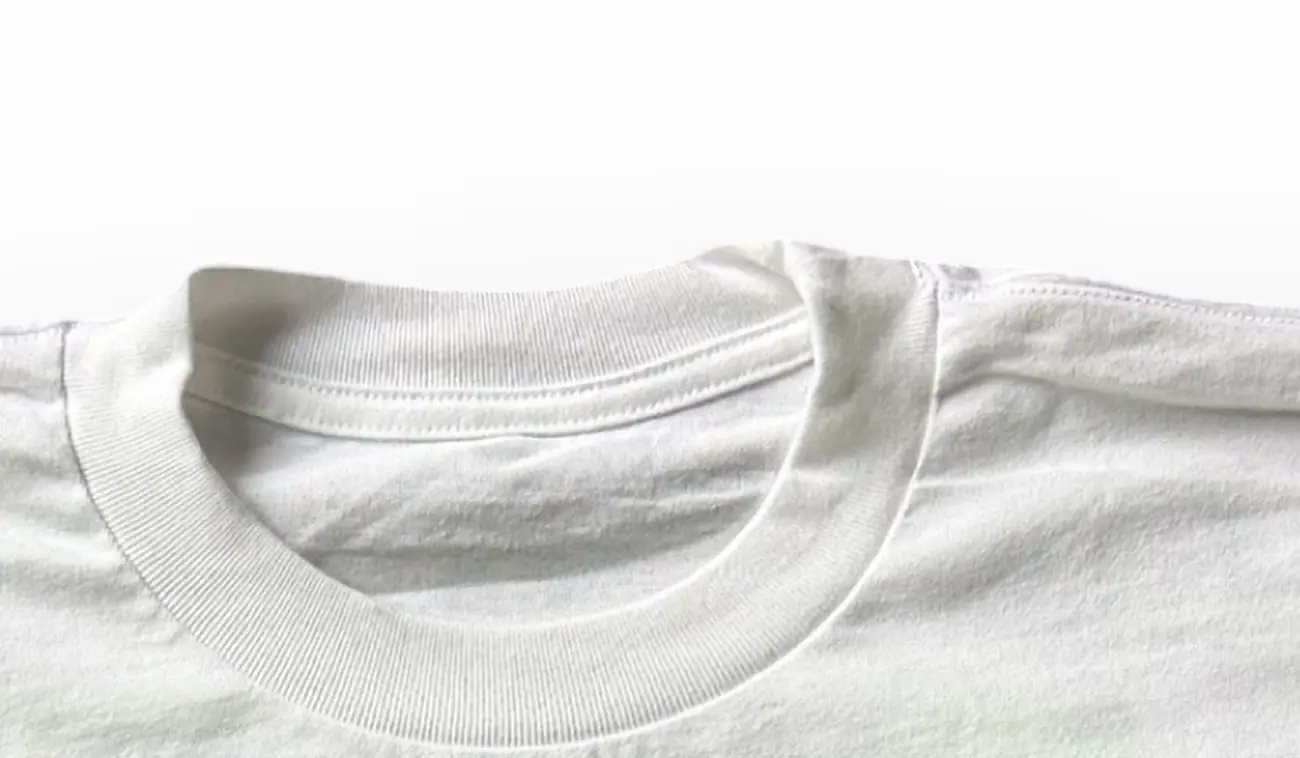
Move your cursor across the garment — the light follows. Switch lenses below the frame, or engage MACRO and sweep the surface at print resolution. Two of the five hidden objects live inside this viewer.
 WO_ARCHIVE.EXE — 6 OBJECTS
Everything Wavy Oaks has released — and everything it hasn't. Locked entries decrypt with future batches.
Video game covers were probably my first real introduction to graphic design. I didn't know what typography, branding, or art direction meant yet - I just knew which game I wanted from across the room.
I would study the logos, colors, characters, screenshots, and every little detail packed onto the box. Some games caught my attention before I even knew what they were about. Looking back, I was studying design without realizing it.
The Wavy Oaks Cover Archive is an ongoing series where I return to video games from my childhood and rework their covers through my own style. I'm not trying to replace the originals or make them "better." I'm taking the parts that stayed with me and rebuilding that feeling through the designer I am now.
Each cover will become a limited physical release - screen-printed shirts, signed and numbered prints, and other objects that make sense for that game. Everything will be produced in small quantities. When one release is gone, its cover stays in the archive and the series moves on.
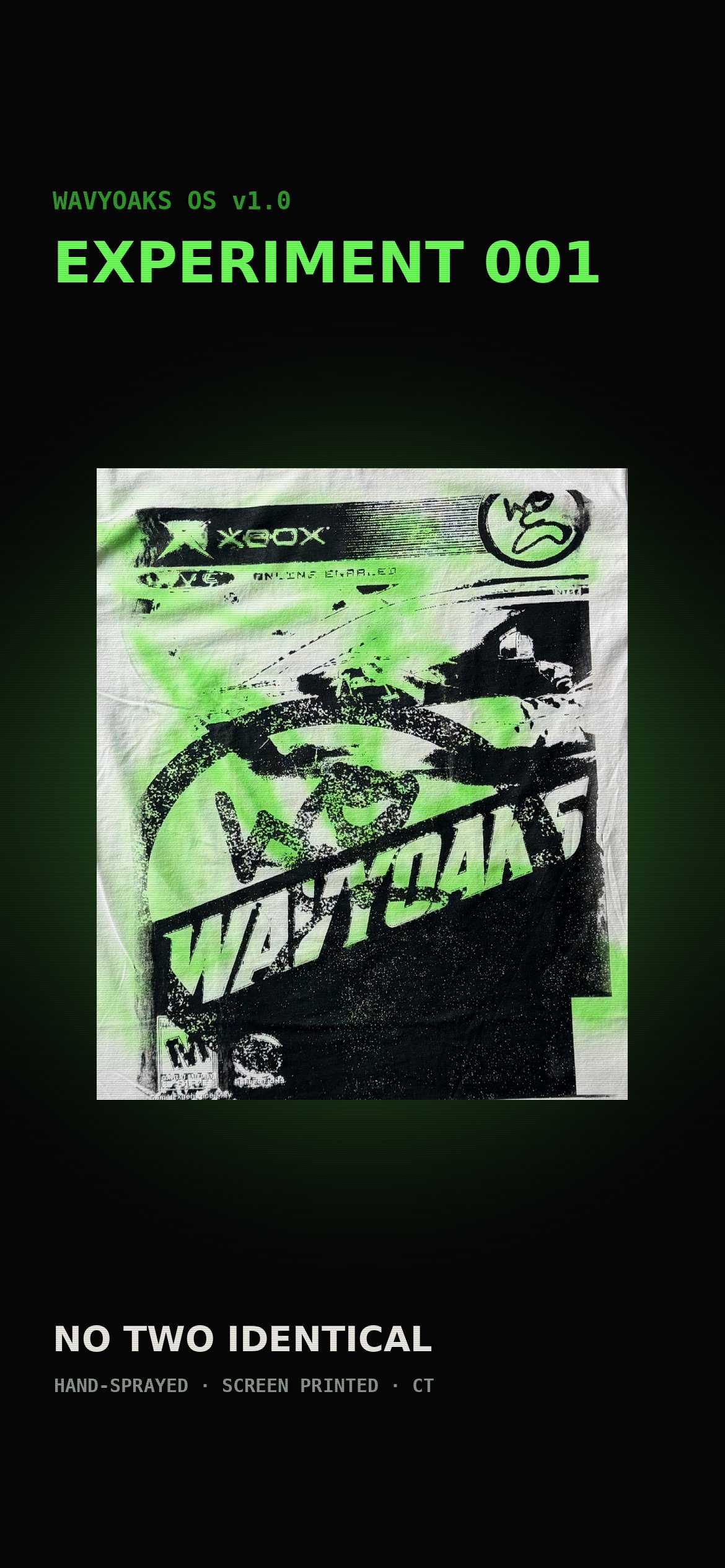
Cover File 001 starts with the unmistakable green of the original Xbox and a case I remember holding twenty years ago. For this version, I redrew and distressed the artwork, burned it into a screen, and printed it by hand in the Connecticut garage where Wavy Oaks began.
This is only the beginning. One game, one cover, and one memory at a time.
WO_CUSTOMIZER.EXE — SPRAY SIMULATOREvery EXP-001 leaves the garage through the same screens — then gets attacked by hand. Preview how far you want us to push yours. This is a simulation; the can decides the rest.
WO_PROCESS.EXE — PRODUCTION LINEThe artwork is exposed onto emulsion-coated mesh under ultraviolet light. Ten minutes of exposure decides everything the ink will ever do — where it passes, where it holds, where it fails beautifully.
Black plastisol, straight from the bucket. The green is mixed by eye — no formula, no swatch book — until it hums like a console LED in a dark room.
Two pulls per shirt on a manual press. Registration by hand, pressure by feel. The distress in the graphic is printed, not filtered — it exists in the mesh itself.
Each printed blank is carried outside and hit with neon green — mist, clouds, drips, strays. This is where your shirt stops being one of twenty and becomes one of one.
Ink and enamel flash-cured until the whole composition fuses to the cotton — built to survive a hundred washes and outlive the hype cycle.
Serial card signed and numbered, folded like a game-case insert, sealed. Opening it should feel like release day.
Out of Connecticut, tracked, into the world. Estimated four weeks from batch close.
WO_RESERVE.EXE — UNIT ALLOCATIONDEV_MODE.EXE — RESTRICTEDYou found all five objects. This build was never meant to ship. Take what you want.